
Essential outdoor gear list
DESTINATIONS – OUTDOORS HEALTH & SAFETY
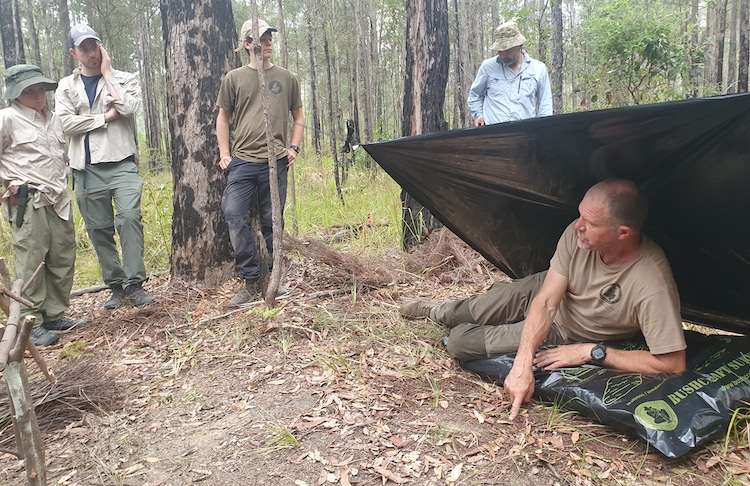
Every few weeks, someone goes missing in Australia’s great outdoors. Here some survival gear tips from Gordo Dedman, founder of Bushcraft Survival Australia and consultant on the SBS’ Alone TV series.
“We use the PLAN acronym to teach survival priorities: Protection (first aid, clothing, shelter, fire), Location (attracting, holding and directing attention), Acquisition (water then food) and Navigation (orientation, travel and direction),” said Gordon Dedman.

Below, Gordo shared his top 14 essential gear tips to help adventurers stay safe and prepared in the wild.
1. Clothing
Being appropriately dressed for the environment you are in is the first line of defence against the elements. Adequate clothing protects you from extremes in temperature, wind, rain and injury prevention. Sunburn, insect bites, cuts and scratches, which normally might not be a problem can become life threatening in a survival situation if they become infected or simply prevent you from carrying out essential tasks. You also need to constantly manage your clothing to avoid sweating.
2. Cutting Tool
Having some kind of cutting tool: fixed blade knife, Swiss Army knife, multitool or saw is one of the most important items you can have. You need something that allows you to cut and shave wood, and strip bark to make a fire and is easy to re-sharpen in the field. With knowledge and skills you can accomplish many things with a good reliable cutting tool.
3. Combustion Device
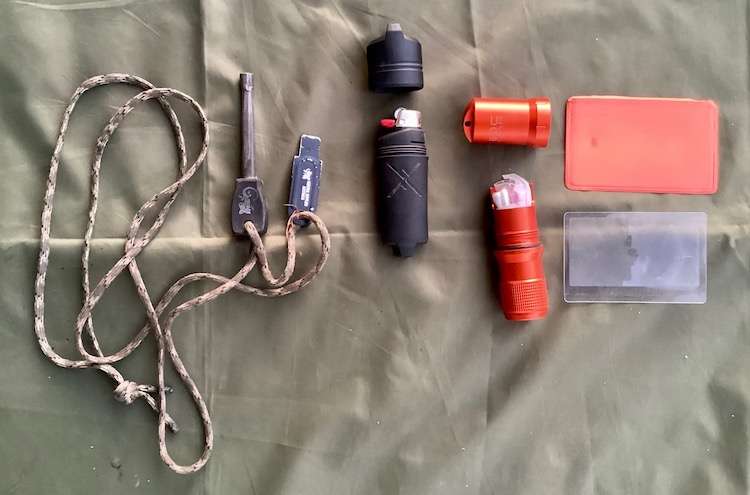
One of the most essential items to bring on any hiking trip is a reliable combustion device. Ideally, this could be a lighter or matches, which are simple to use and highly effective. Alternatively, you can carry a sparking tool, like a metal match or fire flash. This tool is made from a blend of magnesium and other alloys and generates a shower of hot sparks when struck with an object that has a sharp 90-degree edge. You need to know how to collect and process tinder for it to be able to take a spark, as well as how to make and manage a fire correctly and safely under all conditions.
4. Covering
This could be a military-style poncho, which can serve as a shelter, raincoat, or even be inverted to collect water. Other versatile options include an all-weather emergency blanket, a bivvy bag-style space blanket, or a large heavy-duty garbage bag. These items can be used as a raincoat, moisture barrier, ground sheet, water carrier, or even filled with leaves for insulation. A garbage bag can also be cut open and tied to create a makeshift shelter. Building a shelter from natural materials like a lean-to, wickiup, or A-frame is extremely time-consuming and resource-intensive, making multi-purpose gear invaluable in survival situations.
(At Outback Travel Australia we carry an internationally recognised, bright orange marine distress V-Sheet for emergencies.)
5. Metal Container
In addition to knowledge of how to find water and make it safe to drink, a metal container is an essential item for any hiking trip, as it allows you to carry and heat water. Boiling water is the most effective way to make it safe to drink, so ideally, you should pack both a metal container and a nesting cup. If you can’t bring both, a metal nesting cup is a great alternative for boiling water directly over a fire.
(At OTA we use collapsible silicone kettles or pans that have metal bases, for water collection and heating.)
6. Cordage
Fifteen metres parachute cord (paracord) is an excellent choice for your hiking gear, because of its versatility. It contains seven inner strands, each of which can be further separated into two thinner strands that can be used for various tasks such as lashings, fishing line, trap making and repair work.
7. Cloth Bandana
A cloth bandanna is a versatile and invaluable item to bring on any hike. It can serve as: a head or neck scarf, a filtering device, a triangular bandage, a sling, cordage, an improvised bag and can be used to collect water. If made from 100-percent cotton, it can also be used to create char cloth for fire-starting. Additionally, a brightly coloured orange bandanna can double as an effective signalling device in emergencies.
8. Compass
Good map and compass skills are a necessity when travelling in the back country. Many survival incidents begin as a result of navigational errors. A compass is an indispensable tool for staying on course and determining direction when traveling from point A to point B. A sighting compass, in particular, is highly versatile as it includes a mirror that can be used as a heliograph for signalling, or for first aid purposes. Having an accurate, up to date map of the correct scale is also a must. A knowledge of natural navigation techniques, such as using the sun, stars, or environmental cues for direction is something all hikers should have.
9. Cloth Tape
This versatile essential is perfect for repairing gear, waterproofing, creating cordage and even serving first-aid purposes, like securing splints or bandages. In a pinch, it can also be shaped into an improvised waterproof cup.
10. Head Torch

A head torch is an essential item for any hike, providing hands-free illumination in low-light conditions. Beyond its primary use as a light source, it can also be used to start a fire by combining its batteries with a piece of steel wool – a handy survival trick in emergencies. Brands like Ledlenser produce high-quality head torches and portable lights, offering durability and reliability for outdoor adventures.
11. 5-10 litre Dry Bag
A dry bag is perfect for keeping your items dry, doubling as an extra water container, carry bag or flotation device.
12. First Aid

Comprehensive first aid training is crucial for anyone venturing into the outdoors. Equally important is carrying a well-equipped trauma kit, including essentials: tourniquet, emergency bandages and a snake bite bandage. In addition, pack any prescribed medications and supplies for treating minor injuries, such as cuts, scratches, bites and stings. Key items to include are iodine and alcohol prep pads, antiseptic ointment and a small vial of Condy’s Crystals (potassium permanganate), which can be used for wound cleaning or water purification. Don’t forget an assortment of needles, such as a heavy-duty sail needle, which can also double as a tool for repairing gear.
13. Personal Locator Beacon (PLB)
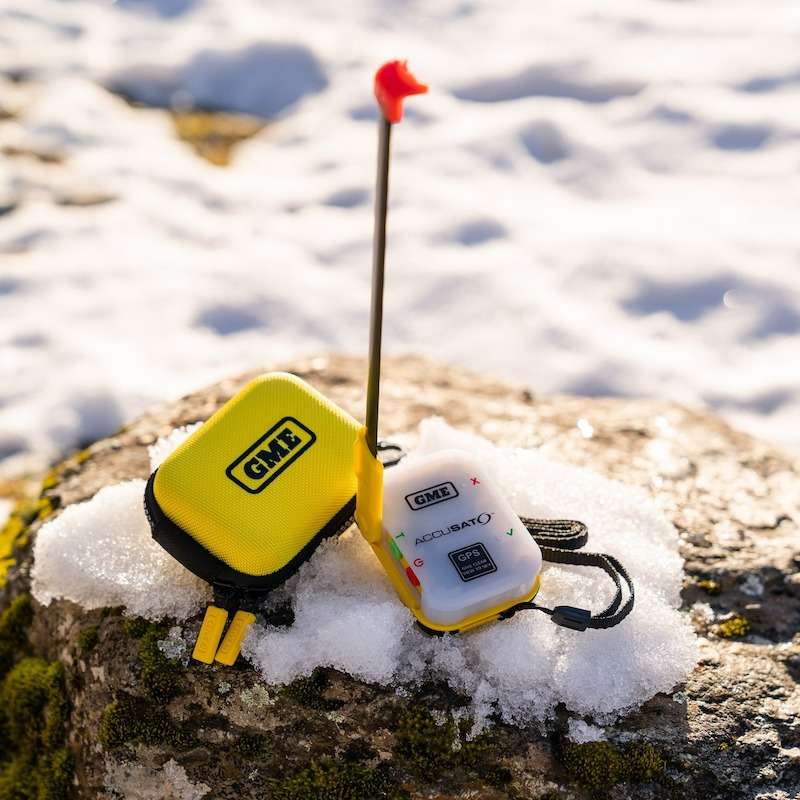
Having a reliable personal location device is an essential item for those venturing into the bush. Good options are the devices that provide an accurate GPS position, an SOS function that allows you to send for help and the ability to text and communicate with friends and rescue agencies.
14. Small Emergency Food Ration
Although food is the lowest priority in short-term survival situations, carrying a few compact, long-lasting, high-calorie emergency food bars can be invaluable.

Gordo Dedman’s Bushcraft Survival Australia is dedicated to teaching authentic modern and traditional outdoor living skills through carefully designed educational courses.
For course locations and dates, you can find more details about the courses here and the full calendar is here.
Advertisements
